What is should-costing? A guide for procurement teams
Should-costing estimates what a part ought to cost from first principles. How it works, what it needs, and how buyers use it in negotiation.
Key takeaways
- A should-cost is calculated from the part, not taken from last year's price.
- It needs the drawing, the 3D model or a BOM, and current rates for material, machines and labour.
- Its value is the breakdown: every line can be checked and discussed with the supplier.
- Use it before sourcing new parts and at every price review of running parts.
Most price discussions start from the last price paid and a percentage the buyer would like taken off it. Should-costing starts somewhere else: from the part itself.
The idea in one line
A should-cost answers a simple question: what would this part cost if an efficient supplier made it, using the right process, on the right machine, with a fair margin?
To answer it, the part is costed from first principles. The manufacturing route is chosen to waste the least material, take the least processing time and use the most suitable machine, while still meeting the drawing.
The building blocks
Every should-cost is a sum of a few lines. The names vary by company; the logic does not.
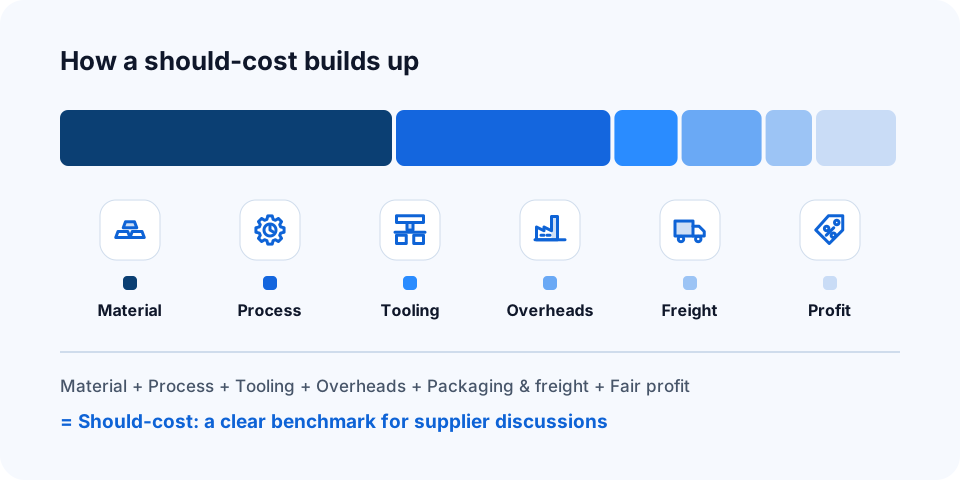
Illustrative build-up. Each block is priced from the part’s own data and current rates.
- Material. The gross weight of raw material the part consumes (net weight plus what is lost to cutting, runners, flash or scrap) times the current material rate.
- Process. Time on each machine multiplied by its machine-hour rate, plus labour where it applies.
- Tooling. Moulds, dies and fixtures, spread over the parts they will make.
- Overheads. The plant costs not already in the machine-hour rate, such as supervision, quality and rejections. (Check what your machine rate includes; maintenance and power are often in it, and must not be counted twice.)
- Packaging, freight and duties. What it takes to get the part to your dock.
- Fair supplier profit. A margin appropriate to the supplier class and risk.
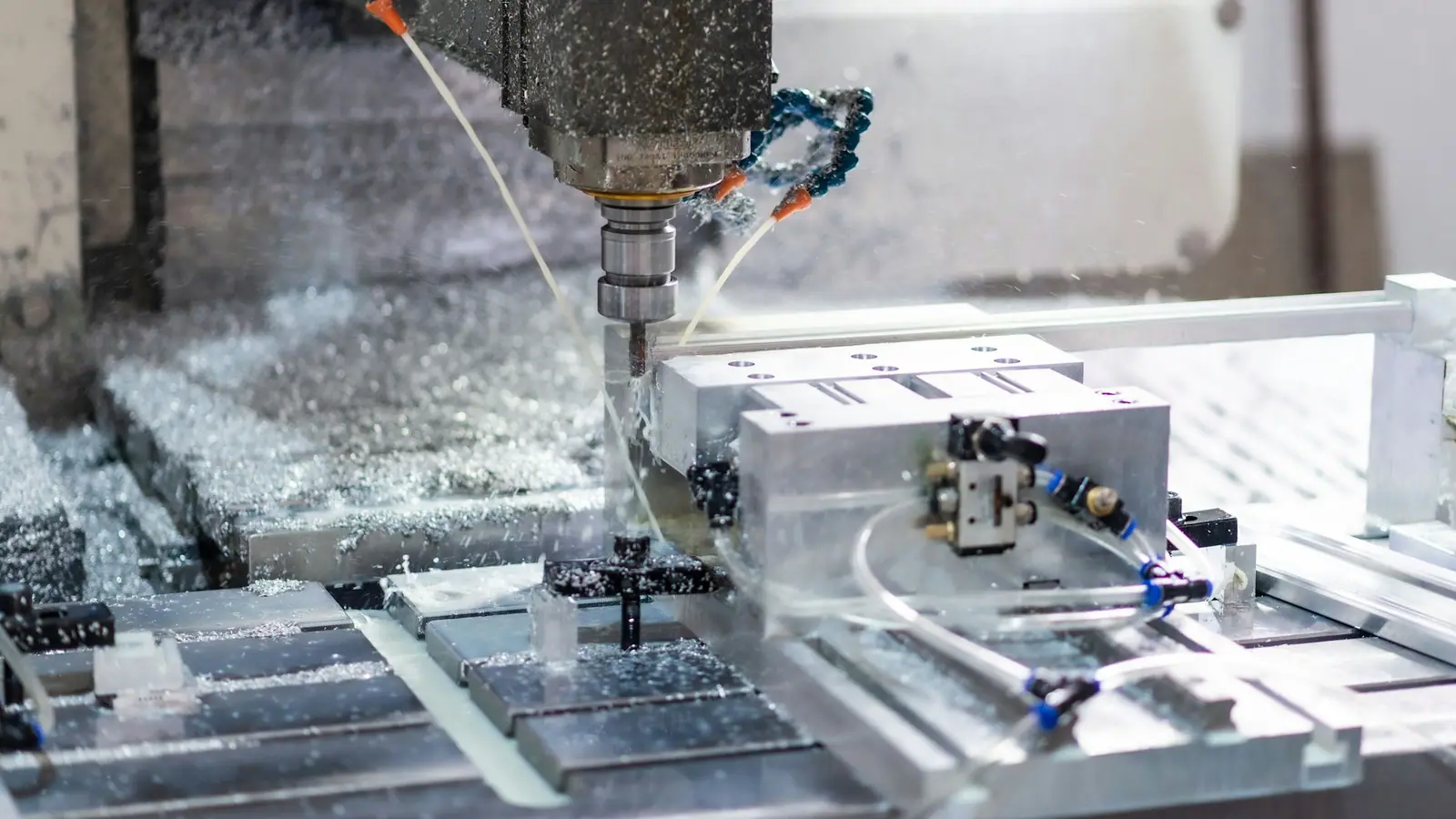
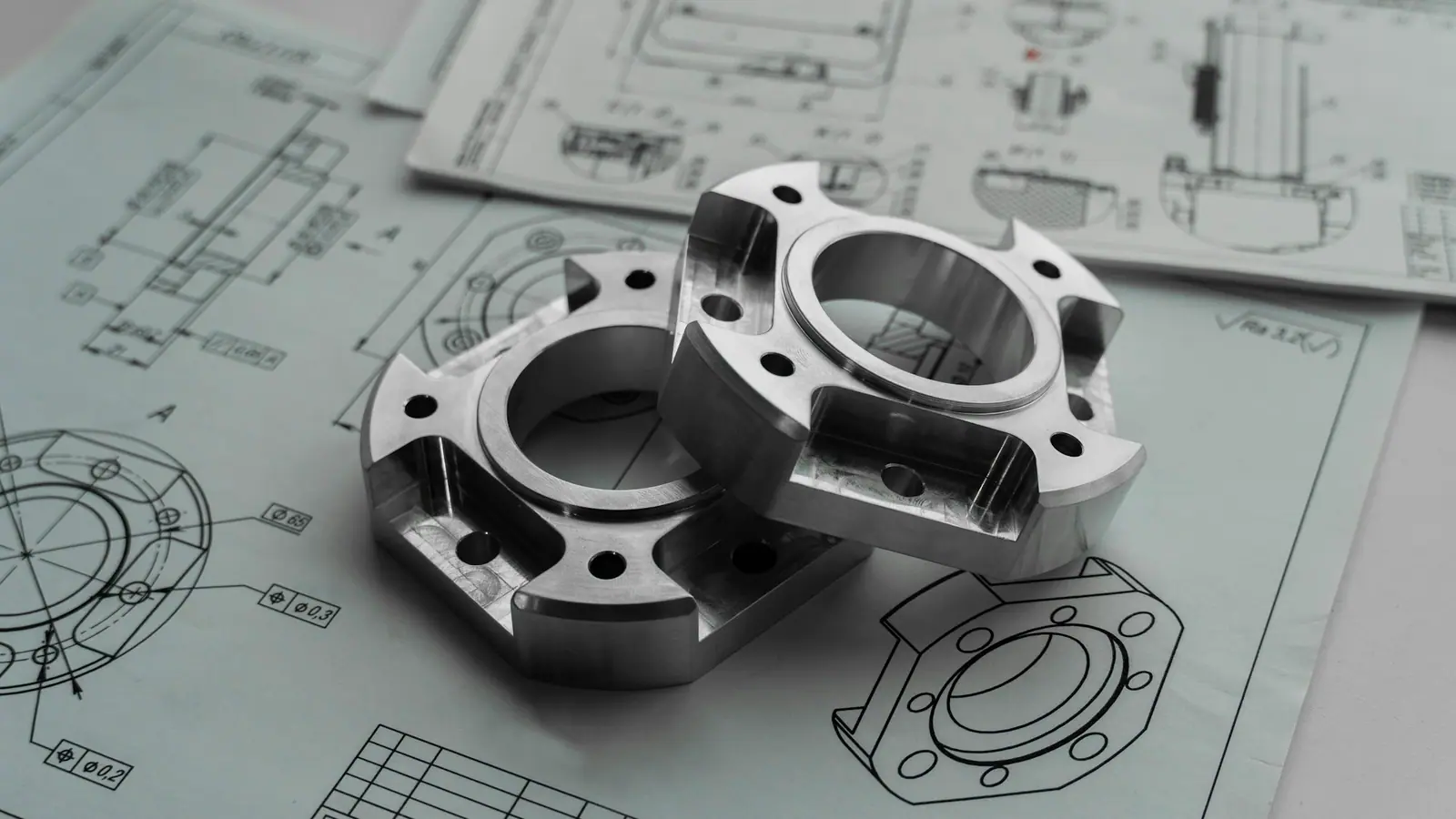
Process cost is machine time multiplied by the machine-hour rate, so the route and the cycle time matter. Photo: aluminum Zheng ji, Unsplash.
Why the breakdown matters more than the total
A single number is easy to dispute. A breakdown is not. When a supplier’s quote is above the should-cost, the line-by-line view shows where: perhaps the quote assumes a heavier blank, a slower cycle or a different machine. Each of those is a factual question that engineering on both sides can answer.
That is why should-costing turns negotiation from opinion into evidence. It also changes the tone: a supplier asked “why does your cycle take nine minutes when this route takes six?” can explain or improve, which is a better conversation than “take 5% off”.

A line-by-line breakdown turns a disputed total into factual questions. Photo: Loui Kiær, Unsplash.
When to use it
- New parts, before the supplier is chosen. Cost the part from its drawing and go to sourcing with a target price instead of letting the first quote set it.
- Running parts, at price reviews. Group spend by commodity and cost the parts that matter most.
- Sole-source parts. When there is no second quote, a should-cost is the only independent reference.
- Design reviews. The same model shows which tolerances, features and materials drive cost, before they are frozen.
What you need to start
A drawing, a 3D model in STEP format (or a BOM if there is no CAD), the annual volume, and credible rates. The rates are where many in-house attempts struggle: a should-cost is only as good as the material, machine and labour data behind it.
How CostmatiQ approaches it
CostmatiQ routes each part through an engine for its process (machining, plastics, sheet metal, casting, forging, PCBA or assembly) and prices every step from raw-material, machine, labour and supplier masters. You can try the arithmetic yourself with the quote-gap calculator, or see the services built on it.
Frequently asked questions
Is a should-cost the price we should pay?
It is the cost an efficient supplier would carry, plus a fair profit. It is a benchmark for discussion, not a demand: real quotes can differ for good reasons, and the breakdown shows where.
What inputs does a should-cost need?
The 2D drawing and 3D model (or an Excel BOM when there is no CAD), annual volume, and rates for raw material, machines, labour and overheads in the supplier's region.
How is should-costing different from cost estimation from history?
Historical estimates scale from similar parts bought before. Should-costing builds the cost from the part's own geometry and process, so it also works for new designs and exposes costs history would carry forward.
Which parts are worth should-costing first?
High-spend parts, parts with a large gap between supplier quotes, new parts before supplier selection, and sole-source parts where there is no second quote.
Keep reading
Negotiation 3 min read Negotiating with a supplier using a cost breakdown
Compare the supplier's quote with a should-cost line by line, find where the gap sits, and turn each difference into a question the supplier can answer.Read the articleCosting 3 min read Design to cost: savings that start at the drawing board
Design choices shape much of a part's cost. How design to cost and DFM use should-cost early to question tolerances, features and materials.Read the articleProcurement 3 min read Spend stratification: grouping parts into kitties
Split spend by product line, group parts into commodity kitties, should-cost each kitty and negotiate one supplier and one kitty at a time.Read the article