Design to cost: savings that start at the drawing board
Design choices shape much of a part's cost. How design to cost and DFM use should-cost early to question tolerances, features and materials.
Key takeaways
- Much of a part's cost is set by design choices, long before it is spent in production.
- DFM checks whether a design can be made efficiently; design to cost checks what it will cost.
- Tolerances, features and material choices are the usual cost drivers to question.
- A shared should-cost model lets design, purchasing and manufacturing discuss the same numbers.
By the time a purchasing team negotiates a price, much of the cost has already been shaped. It was shaped when an engineer chose a tolerance, a feature, a material and, implicitly, a process.
Cost is committed before it is spent
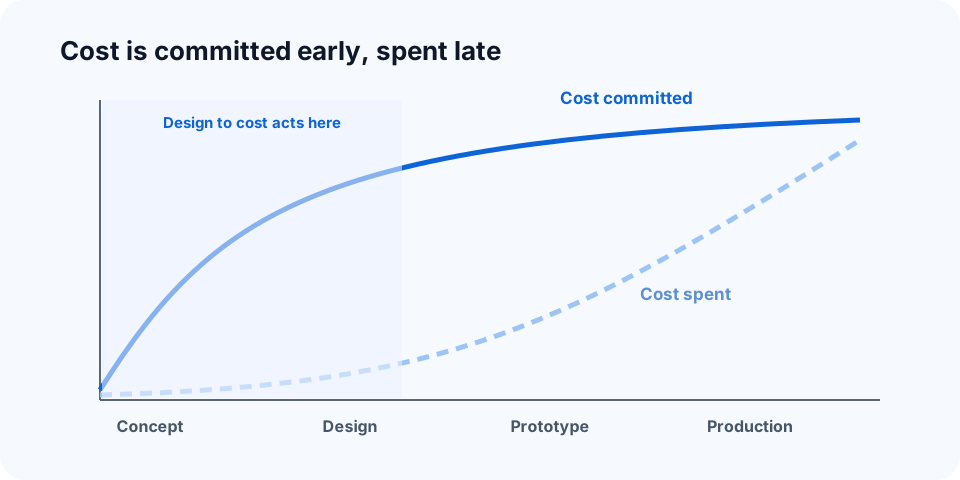
Qualitative illustration of a widely used principle, not measured data: design choices commit cost long before it is spent.
Negotiation can move a price within the room the design leaves. Design decisions move the room itself.
What drives cost in a design
- Tolerances. A tighter tolerance than the function needs can add operations, slower cycles or inspection.
- Features. Deep pockets, thin walls, undercuts and small radii can force slower processes or more complex tools.
- Material. Grade, form and blank size set the material line and often the process.
- Process fit. A part designed for one process but made with another rarely costs what it should.
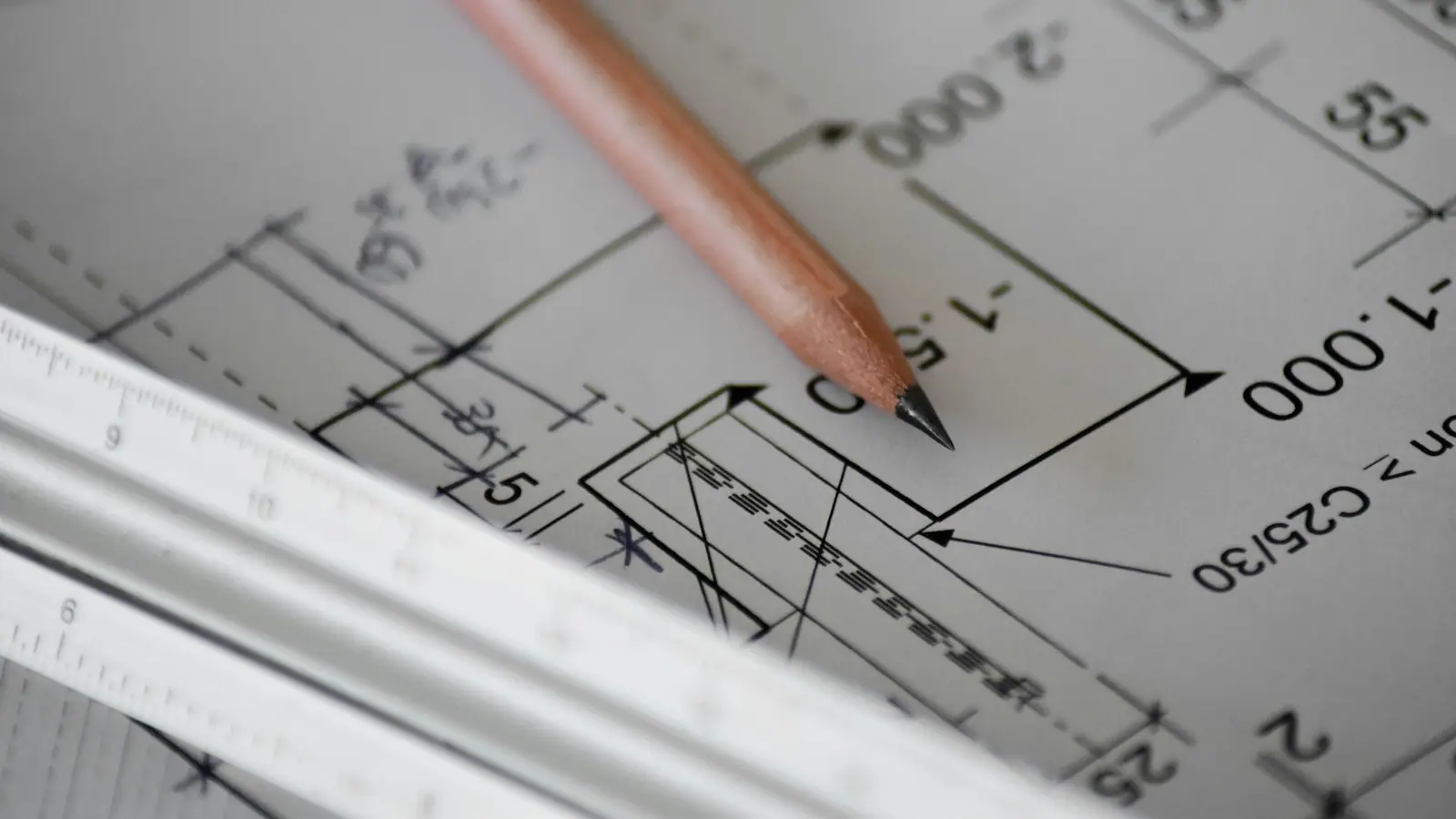
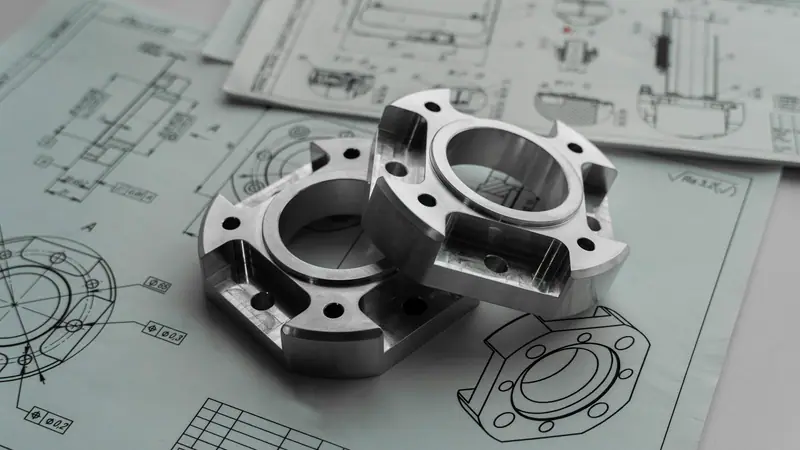
Tight tolerances and extra features on the drawing turn into machine time and inspection. Photo: Sven Mieke, Unsplash.
DFM and design to cost together
DFM asks: can this be made efficiently? Design to cost asks: what will it cost, and what would cost less? Used together on a should-cost model, they let a design review compare alternatives in money, not opinion.
How to run it
- Cost the concept as soon as there is a model.
- Identify the top cost drivers and the design choices behind them.
- Propose alternatives (material, geometry, process) and cost each.
- Review with design, purchasing and manufacturing together, and agree a target.
Questions to ask in a design review
- Which tolerance is tighter than the function needs? Each one can add an operation or inspection.
- Which feature forces a slower or more complex process? Deep pockets, undercuts, thin walls and small radii are common culprits.
- Is the material specified by function or by habit? A different grade or form can change both the material and the process line.
- Is the part designed for the process it will be made with? A casting designed like a machined part, or a pressing designed like a casting, rarely costs what it should.
- What would the part cost at the target volume? Tooling and process choices change with volume.
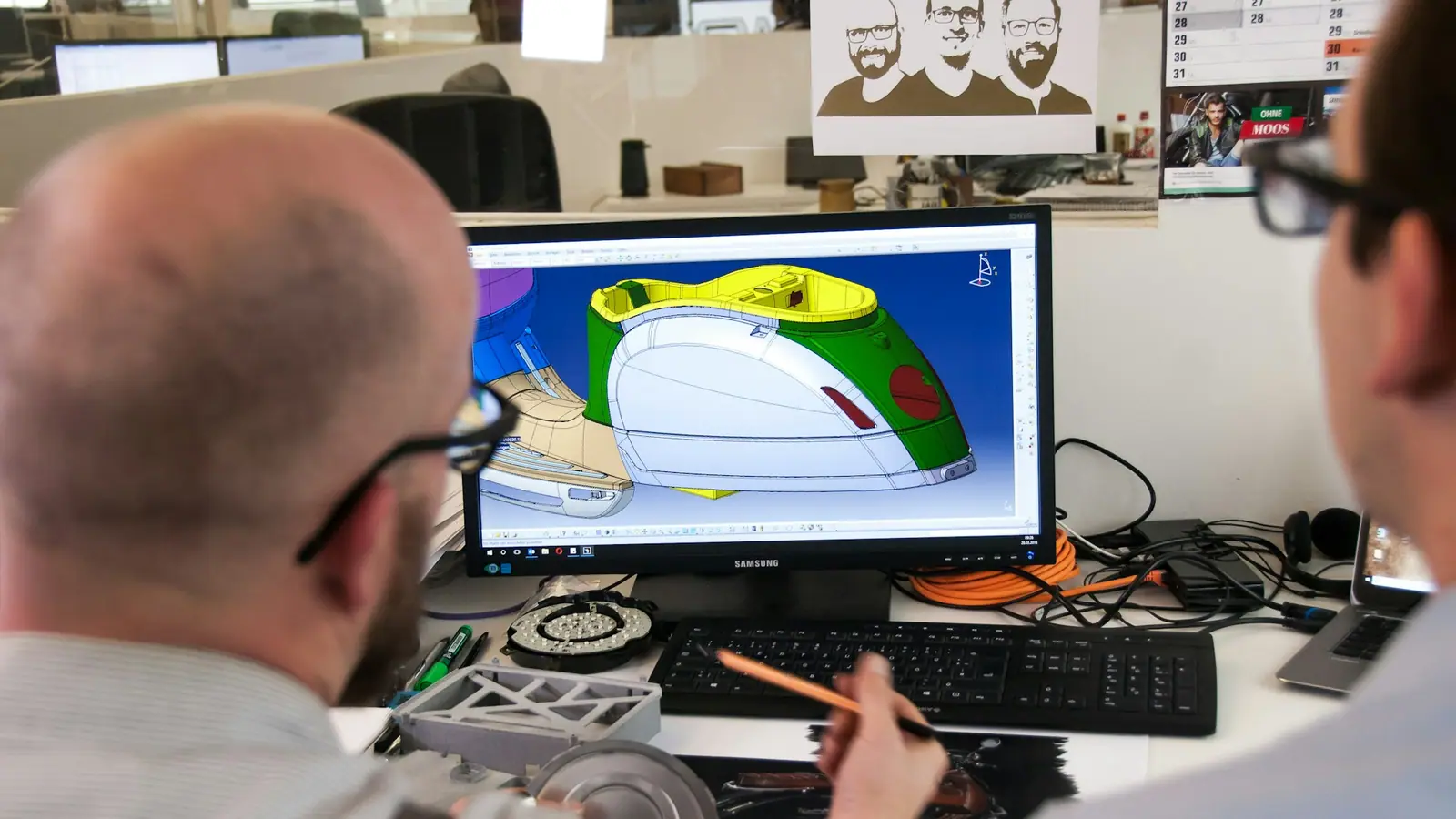
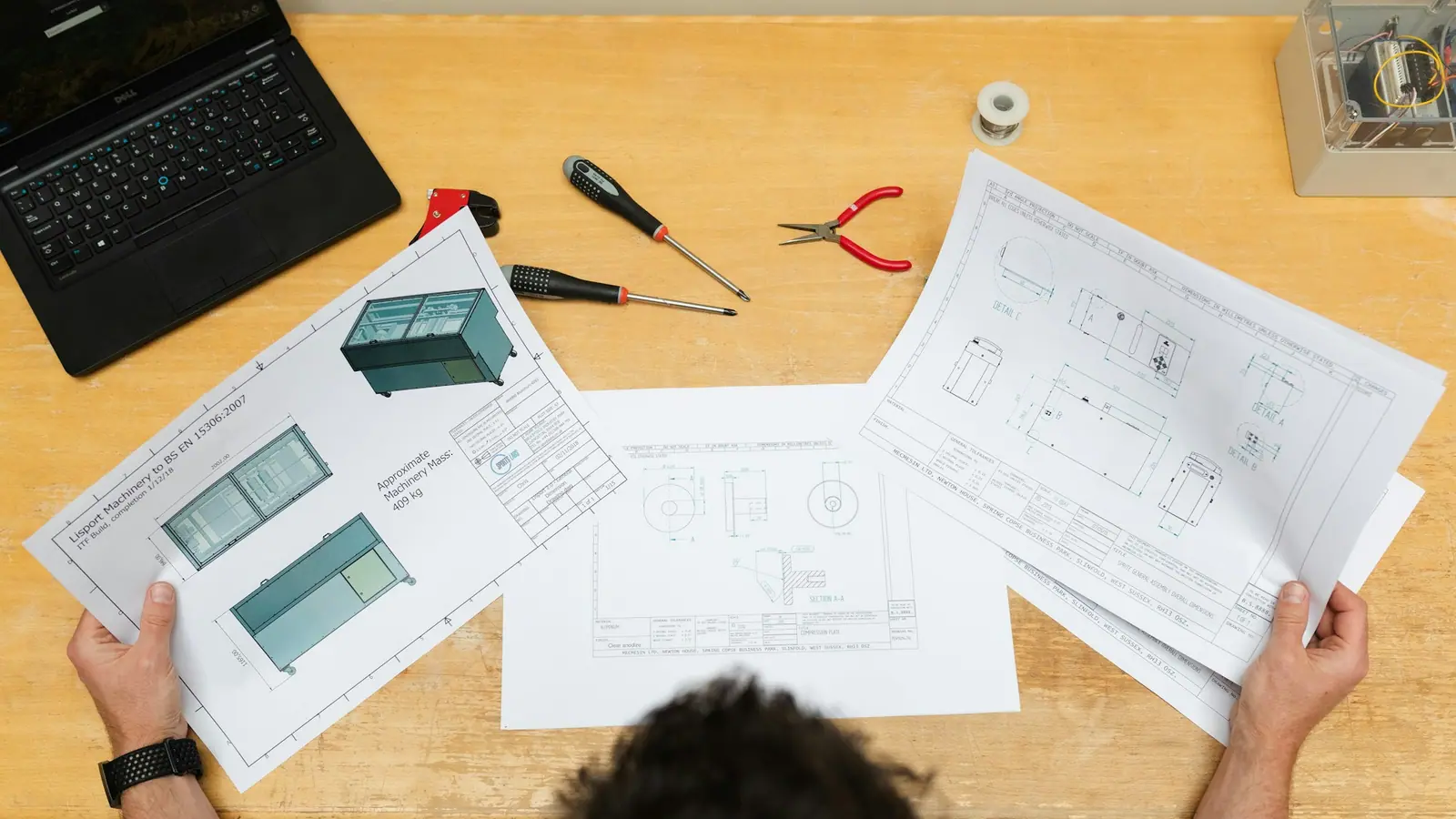
Cost questions belong in the design review, while the geometry can still change. Photo: Kumpan Electric, Unsplash.
Making it a habit
Design to cost works best as a routine, not a project: a should-cost at each design gate, the top cost drivers listed, and one or two alternatives costed for each. Over time the rates and models become a shared reference for design, purchasing and manufacturing.
Related reading
The same model supports later negotiation: see what is should-costing, or the DFM and design-to-cost service.
Frequently asked questions
What is the difference between DFM and design to cost?
DFM (design for manufacturing) asks whether a part can be made efficiently and reliably. Design to cost adds the price: what each design choice costs and which alternatives would cost less.
When should design to cost start?
As early as there is a concept model. The earlier a cost driver is spotted, the cheaper it is to change.
Does design to cost mean lower quality?
No. It removes cost that does not add value: an unnecessary tolerance, a hard-to-make feature, an over-specified material. Function and quality requirements stay fixed.
Keep reading
Costing 4 min read What is should-costing? A guide for procurement teams
Should-costing estimates what a part ought to cost from first principles. How it works, what it needs, and how buyers use it in negotiation.Read the articleSupply chain 3 min read Delivered cost: packaging, freight and duties
A part's real cost is what it costs at your dock. How packaging, freight, duties and tariffs fit into a should-cost and change sourcing decisions.Read the articleProcurement 3 min read Spend stratification: grouping parts into kitties
Split spend by product line, group parts into commodity kitties, should-cost each kitty and negotiate one supplier and one kitty at a time.Read the article