Delivered cost: packaging, freight and duties
A part's real cost is what it costs at your dock. How packaging, freight, duties and tariffs fit into a should-cost and change sourcing decisions.
Key takeaways
- Compare suppliers on delivered cost, not ex-works price.
- Packaging and pack quantity change freight cost per part.
- Duties depend on the HS code and origin; preferential tariffs can change the answer.
- Make each logistics assumption explicit so it can be checked.
Two suppliers quote for the same part. One is cheaper at the factory gate. Whether it is cheaper at your dock is a different question.
From ex-works to delivered
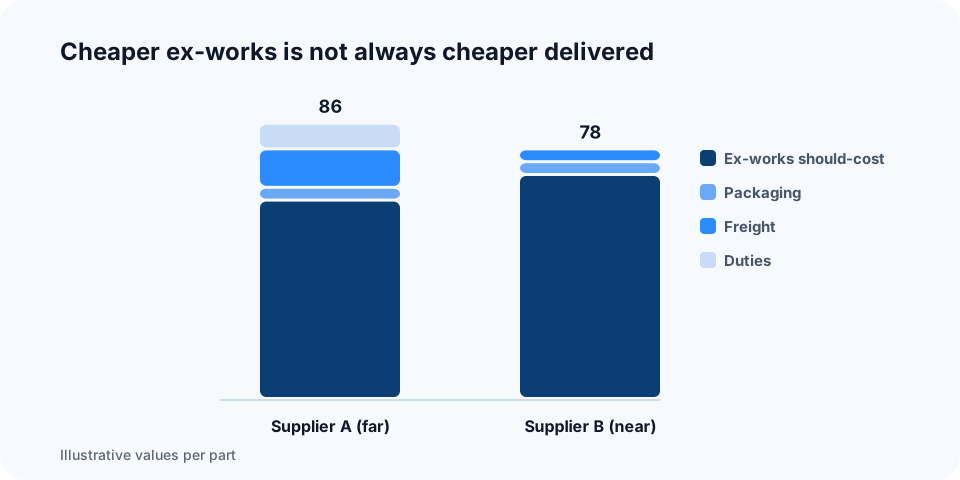
Illustrative stack. The ranking of suppliers can change once these lines are included.
- Packaging. Disposable or returnable, and the pack quantity per box or crate, which sets how many parts share each freight unit.
- Freight. Mode, distance, and how full each load is. Light, bulky parts are usually limited by volume rather than weight.
- Insurance and handling. Often small, but not zero.
- Duties and tariffs. Set by the part’s HS code and its origin. Preferential tariff scenarios apply when the origin rules of a trade agreement are met.
Why it changes decisions
A distant supplier with a lower ex-works price can lose once freight and duties are added; a nearby supplier with a higher ex-works price can win. Packaging can swing the answer too: where freight is charged per load and loads are limited by volume, a pack that fits twice as many parts roughly halves freight per part.

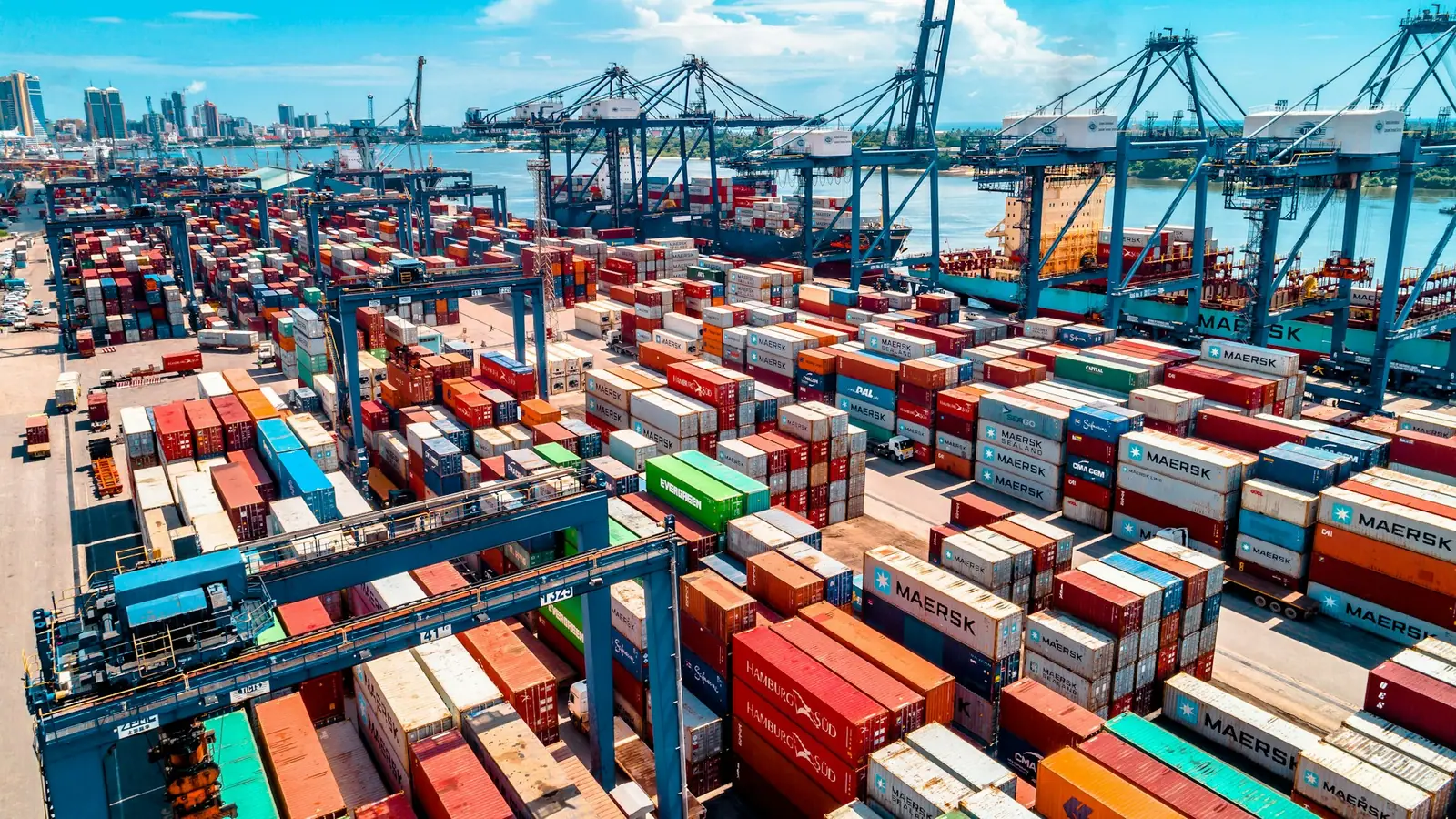
Inland freight from the supplier’s plant is part of the delivered cost, not an afterthought. Photo: Zoshua Colah, Unsplash.
Make the assumptions explicit
Each logistics line should show its assumption: pack quantity, freight rate and mode, HS code and duty rate. Explicit assumptions can be checked and improved; a single “logistics” percentage cannot.
A checklist for each sourcing comparison
- Fix the delivery point (your dock, a warehouse, a line-side store) and compare every supplier to it.
- Get the pack design and pack quantity from each supplier, not just the price.
- Price freight per part from pack quantity, load fill and mode, not as a percentage.
- Confirm the HS code and origin for imported parts, and check whether a preferential tariff applies.
- Add insurance, handling and any customs brokerage that applies.
- Compare on delivered cost per part, and keep the ex-works should-cost visible next to it.
Packaging is a design decision too
Pack quantity can matter as much as the freight rate, especially for light, bulky parts. A part designed to nest, or a crate designed around the part, can double the parts per load. When packaging is costed explicitly in the should-cost, these improvements become visible and can be negotiated or designed in.
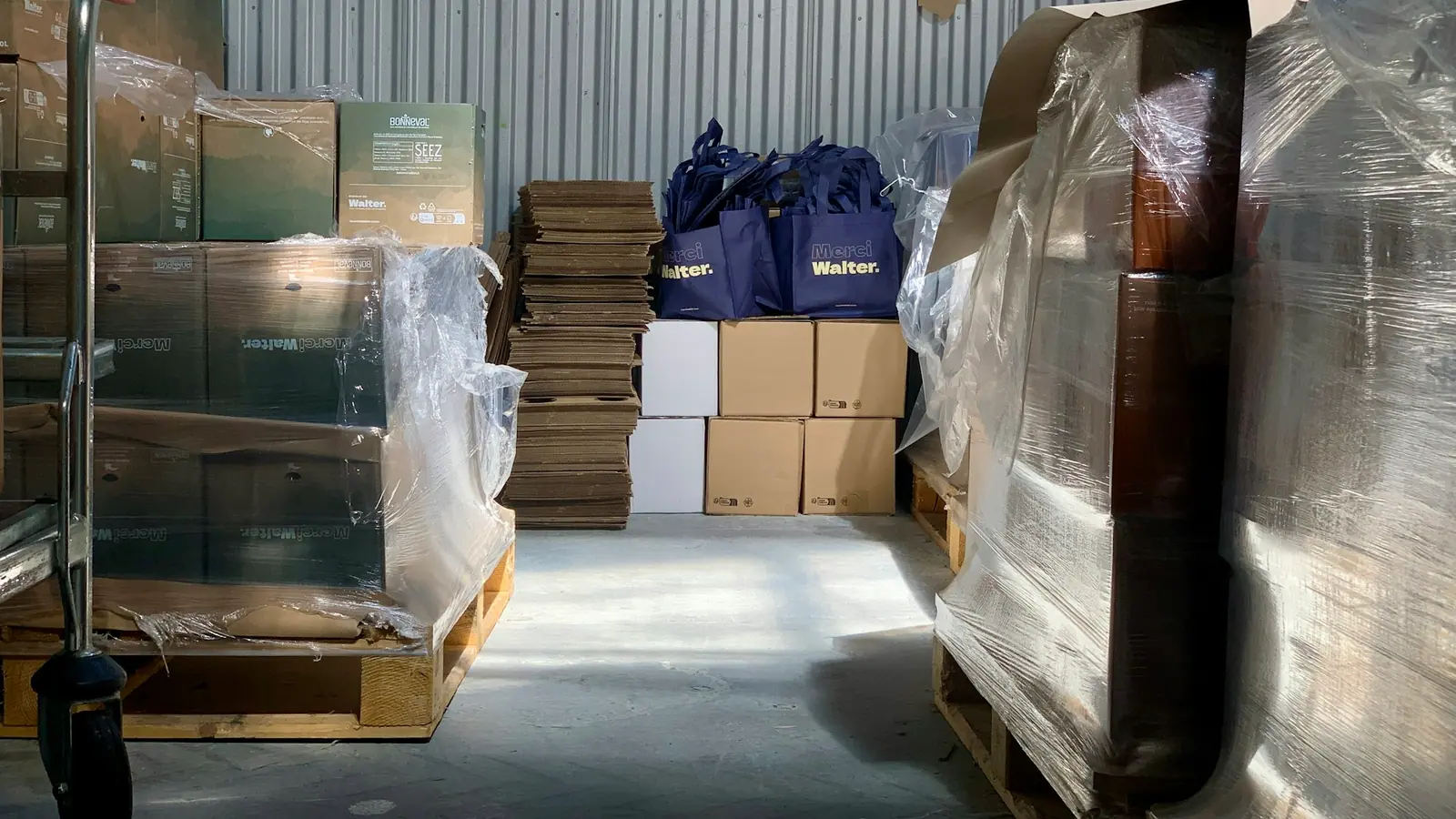
Pack density sets how many parts travel in each truck or container. Photo: Duc LE, Unsplash.
Related reading
See the full cost structure in what is should-costing, and how material content links to commodity prices in raw-material index pricing.
Frequently asked questions
What is the difference between ex-works and delivered cost?
Ex-works is the cost at the supplier's gate. Delivered cost adds packaging, freight, insurance and, for imports, duties and tariffs, to reach your dock.
How do duties enter a should-cost?
Through the part's HS code and country of origin, which set the applicable duty rate. Preferential trade agreements can lower it when the origin rules are met.
Is returnable packaging always cheaper?
Not always. It removes the cost of disposable packaging but adds return freight, cleaning and fleet costs; compare both per part delivered.
Keep reading
Costing 4 min read What is should-costing? A guide for procurement teams
Should-costing estimates what a part ought to cost from first principles. How it works, what it needs, and how buyers use it in negotiation.Read the articleSupply chain 3 min read Raw-material index pricing for part prices
How to link part prices to raw-material indexes: calculate material content per part, choose the index, set the review period, and adjust both ways.Read the articleCosting 3 min read Design to cost: savings that start at the drawing board
Design choices shape much of a part's cost. How design to cost and DFM use should-cost early to question tolerances, features and materials.Read the article